Some travelers to the United States may soon be required to provide their social media history from the past five years to enter the country, according to a new proposal from the administration of President Donald Trump.
- In 2016, a question about how to provide social media information was initially added to the application, with the section marked as “optional.”
- Additionally, the administration has placed significant emphasis and scrutiny on the social media accounts of individuals in the United States on student visas.
The proposal, published in the Federal Register by U.S. Customs and Border Protection (CBP), suggests that visitors from countries participating in a visa-waiver program will need to provide additional personal information as part of an electronic application.

The requirement would apply to foreign nationals using the Electronic System for Travel Authorization, or ESTA, as part of the visa-waiver program for citizens of 42 countries, including the United Kingdom, New Zealand, Australia, Japan, Israel, and Qatar, as well as many other European countries.
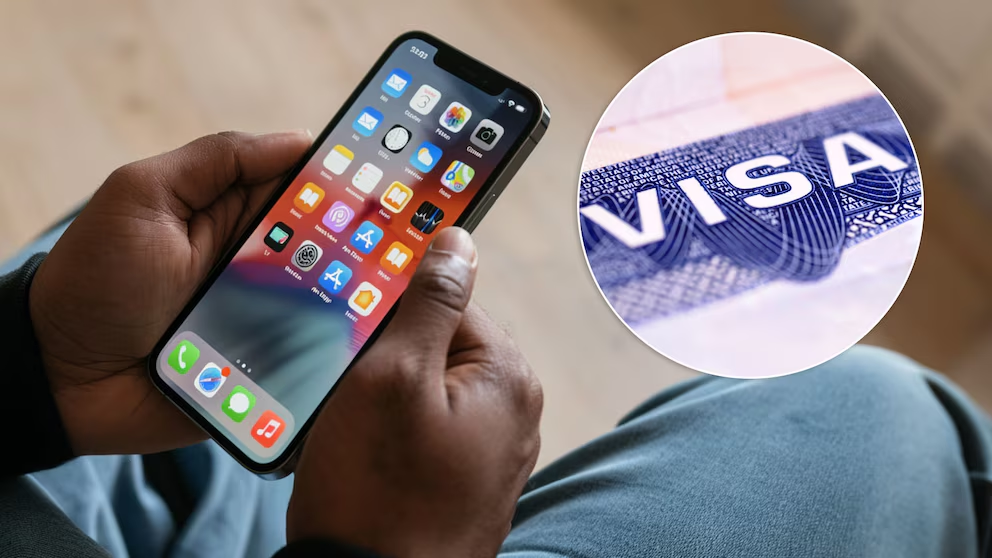
ESTA is an online application used by visitors from the listed countries to travel to the United States for up to 90 days without a visa. Currently, those using the online system are asked for information such as their passport and date of birth, as well as criminal history.
The proposed changes to the visa-waiver application include making the submission of social media history mandatory and adding “high-value data elements,” such as phone numbers and email addresses from the past five years, along with the names and dates of birth of close relatives, as well as their places of birth, residences, and phone numbers over the previous five years.
In 2016, a question about how to provide social media information was initially added to the application, with the section marked as “optional.”

“If an applicant does not answer the question or simply does not have a social media account, the ESTA application can still be submitted without a negative interpretation or inference,” the CBP website stated.
The new proposal, open for public comment until February 9, would make this information mandatory, though it remains unclear how it would affect those wishing to visit the United States.
These changes align with a broader push by the Trump administration to reform the country’s legal immigration system, in addition to carrying out its promised mass deportation program for individuals in the country unlawfully.

Over the past 11 months, the Republican administration has made sweeping changes to nearly every facet of the immigration process, severely restricting both legal and illegal means of entering the nation.
Additionally, the administration has placed significant emphasis and scrutiny on the social media accounts of individuals in the United States on student visas.
In June, the Department of State (DOS) instructed embassies and consulates that they could investigate student visa applicants for “hostile attitudes toward our citizens, culture, government, institutions, or founding principles.”
Under these guidelines, applicants are asked to set their profiles to public, and the lack of an online social media presence could be viewed as a negative factor that may be used against them in the application process.
Image: DiarioNY