


If you ask any New Yorker where they were when the Twin Towers fell on 9/11, the answer is usually a story of dust, horror, and disbelief. But if you ask that same question to a family in Queens or Washington Heights, the answer is intertwined with deep fear for a father who worked at Windows on the World, or for a cousin who cleaned the offices of Marsh & McLennan.
- The anatomy of the tragedy: Invisible workers, incalculable losses
- Table: Approximate breakdown of Hispanic victims by country of origin
- Latino heroes: Hispanic courage at Ground Zero
- Practical guide: How to honor the memory and where to find resources for families?
- 1. Honor the names at the memorial pool: Visit the National September 11 Memorial & Museum.
- 2. Help the second generation of 9/11 victims: Support organizations that assist Latino victims.
- 3. Where to consult verified information and documentaries: Educate yourself about the forgotten victims of 9/11.
The truth is that, for too long, the official narrative of September 11 has painted a monochromatic picture of the tragedy. Initial reports did not reflect the diversity of the victims, partly because many Latino workers were undocumented, or because their employers did not have accurate records. However, subsequent investigations, driven by community organizations and consulates, revealed a shocking truth: at least 250 Hispanics died in the 9/11 attacks, making the Latino community one of the most affected groups after white American citizens.

Who were these victims and why is their story a fundamental pillar of the Hispanic collective memory in the United States? Let’s break it down.
Latino mourning in numbers (Snippet Bait): Although exact figures vary due to the difficulty of identification and immigration status, it is estimated that at least 250 people of Hispanic origin lost their lives during the terrorist attacks of September 11, 2001, in New York, Washington D.C., and Shanksville. Coming from more than 17 Latin American countries—with the highest representation from Colombia, Ecuador, and the Dominican Republic—these victims worked primarily in the service, hospitality, and maintenance sectors, demonstrating that the Latino labor contribution was at the very heart of the U.S. financial center.
The anatomy of the tragedy: Invisible workers, incalculable losses
To understand the disproportionate impact on the Hispanic community, one must look at the labor structure of the time in Lower Manhattan. The World Trade Center was not just offices; it was a small city that operated 24 hours a day.
1. The service sector: The front line of sacrifice
Many of the Latino workers who died in the Twin Towers did so on the morning shift, preparing breakfast for the thousands of stockbrokers and executives who occupied the upper floors.
- The “Windows on the World” restaurant: Located on the 106th and 107th floors of the North Tower, this iconic restaurant employed a large number of immigrants. There alone, it is estimated that dozens of Hispanics died, from cooks and waiters to dishwashers and security personnel. For them, that job represented the possibility of sending their children to college or buying a home.
- Cleaning and maintenance services (Maintenance): Contracting companies like ABM Industries employed hundreds of Hispanics in night and day cleaning jobs. Many of them were in the building when the impacts occurred. The lack of English and the fear of retaliation due to immigration status often placed them in positions of greater vulnerability.
2. The stories behind the names (Real examples)
Behind the figure of “at least 250 Hispanics” are proper names that embody the spirit of sacrifice of our community.

Impact quote: “My father was not a Wall Street executive. He worked in the kitchen of the restaurant in Tower 1. He loved this country because it gave him the opportunity to work hard. His loss left a void impossible to fill, not only in our family, but in the community that saw how an honest man disappeared into the smoke.” — Anonymous testimony from a relative of an Ecuadorian victim.
- Antonio Javier Meléndez (New York, of Puerto Rican origin): He worked as an assistant chef at Windows on the World. He was 30 years old and was known for his contagious joy and his dedication to his daughter.
- Iván Néstar (Colombia): He arrived in New York looking for a better future and worked in the construction sector. He was in the wrong place at the wrong time, performing remodeling work.
- Norma Rosalba Suárez Herrera (Peru): At 40 years old, she worked for a cleaning company. She was a single mother and her story exemplifies the struggle of so many Latina women to support their families in a difficult environment.
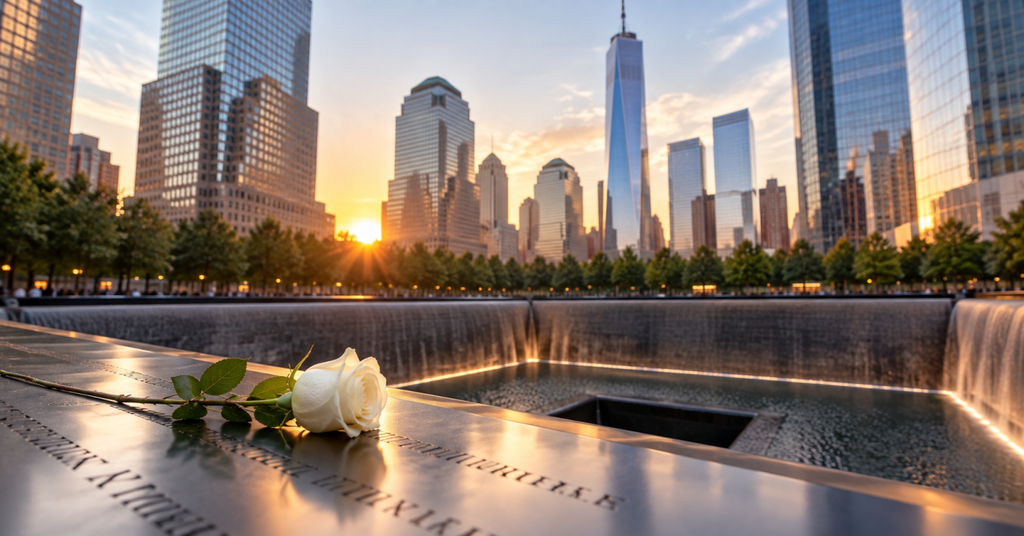
Table: Approximate breakdown of Hispanic victims by country of origin
Note: The figures are estimates based on data from consulates and the 9/11 Memorial database, and may vary slightly.
| Country of Origin | Estimated Number of Victims | Common Labor Sectors |
| Colombia | 40+ | Finance, Services, Construction |
| Ecuador | 35+ | Restaurants, Cleaning, Maintenance |
| Dominican Republic | 30+ | Services, Cleaning, Transportation |
| Mexico | 25+ | Restaurants, Construction, Commerce |
| Puerto Rico | 20+ | (U.S. Citizens) Various sectors |
| Argentina | 10+ | Professionals, Finance |
| Cuba | 10+ | Various sectors |
| Peru | 8+ | Services, Health |
| Others (Chile, Venezuela, Brazil, etc.) | 50+ | Professionals and Services |
Latino heroes: Hispanic courage at Ground Zero
The Latino footprint of 9/11 is not limited to the fatalities. The truth is that thousands of Hispanics were also on the front lines of the response and rescue.
- Firefighters and Police: Hundreds of brave first responders of Latino origin—many of them veterans of other tragedies—risked and lost their lives trying to save others in the collapse of the towers.
- Construction and cleaning workers (Essential): After the attack, once the rescue phase had passed, the cleanup work at Ground Zero fell mostly on construction workers, many of them Latino, who worked without proper protective equipment for months, inhaling toxins that in the long term have caused them chronic illnesses and even death. This is a second wave of Latino victims that is often forgotten.
- The role of the consulates: In the days and weeks following the attacks, the consulates of countries like Mexico, Colombia, and Ecuador in New York became crisis centers, working tirelessly to help families identify their loved ones, often navigating the complexities of the victims’ immigration status.
Practical guide: How to honor the memory and where to find resources for families?
For the Hispanic community, 9/11 is an open wound that reminds us of the fragility of life, but also of the strength and integration of our people into the social fabric of the United States. Follow these key points to keep the memory alive:

1. Honor the names at the memorial pool: Visit the National September 11 Memorial & Museum.
The Memorial in Lower Manhattan is an essential place for reflection. As you walk through the names engraved on the bronze panels surrounding the pools, take some time to look for the names of Hispanic origin and remember that behind each one is a story of immigration and sacrifice. The museum offers exhibits that, while painful, are necessary to understand the magnitude of the loss.
2. Help the second generation of 9/11 victims: Support organizations that assist Latino victims.
Numerous community organizations in New York continue to support the families of Latino victims and the cleaning workers who suffered health problems derived from Ground Zero. Your contribution can make a difference in the lives of the children and widows who lost their main economic provider.
3. Where to consult verified information and documentaries: Educate yourself about the forgotten victims of 9/11.
To understand the real dimension of the Latino tragedy, consult reliable sources such as documentaries produced by networks like Univision or Telemundo, or special reports in the Spanish-language press that have documented the stories of these families. Historical truth is our best defense against oblivion.
The Latino footprint of September 11 is indelible. It is not just about the victim statistics, but about the stories of thousands of families who, in the midst of pain, demonstrated extraordinary resilience. For the Hispanic community, remembering these brothers and sisters is not just an act of historical justice, but a reaffirmation that Latino sacrifice is intrinsically woven into the history of the United States.
Image: ElHispanoParaTodos/PRESS





