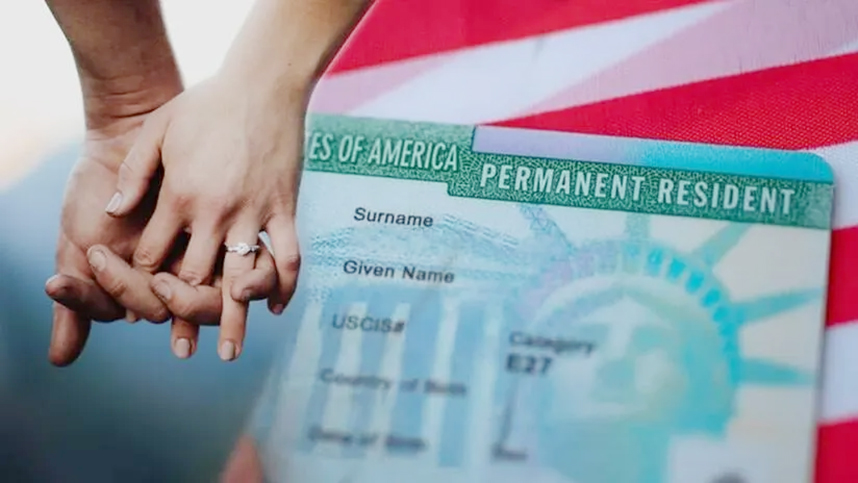
USCIS is tightening controls this year to obtain residency with mandatory interviews, new forms, and deep scrutiny to detect fraud. A single documentation error could lead to deportation.
Here’s a step-by-step guide on how to protect your application.

Obtaining permanent residency (the coveted Green Card) through marriage in the United States has entered a phase of heightened scrutiny in 2026. The U.S. Citizenship and Immigration Services (USCIS) has implemented stricter regulations requiring solid evidence, zero tolerance for documentation errors, and a rigorous analysis to prove the relationship is genuine.
Below, we break down the most critical changes affecting our community and what you need to prepare for your application to succeed.
🚨 1. In-person interviews and “zero tolerance” for errors
The flexibilities of previous years are over. In 2026, in-person interviews are mandatory to assess the authenticity of the marriage. USCIS agents carefully analyze mutual knowledge (routines, key dates) and may cross-reference data with federal agencies, conduct home visits, and even review social media to detect fraud.
Additionally, submitting an outdated form or miscalculating a payment are now grounds for automatic rejection, halting the application from the first step.

📄 2. Financial evidence: The “king of proof”
A simple marriage certificate and a few photographs are no longer enough for authorities. USCIS now prioritizes the couple’s “financial combination.” You must include irrefutable documentary evidence such as:
- Joint bank accounts and credit cards.
- Lease agreements or property deeds in both names.
- Insurance policies (life, health, or auto) listing both spouses.
- Jointly filed federal tax returns.
If the couple does not live at the same address due to verifiable work or family reasons, exhaustive documentation must clearly justify the situation.
💸 3. New fees and changes in medical submission
Costs and submission logistics have become stricter. Fees can no longer be combined into a single check; each form (I-130, I-485, etc.) requires its own individual payment.

Another crucial logistical change is the Form I-693 (Medical Examination). In most cases, the agency now requires this exam to be included directly in the initial package. Submitting it separately may cause severe delays in work permit issuance or outright denial of the case.
⏳ 4. Conditional residency and the risk of deportation
For marriages that are less than two years old at the time of approval, residency is granted conditionally for only two years.
To remove this condition, it is mandatory to file Form I-751 exactly 90 days before the card expires. Failure to do so automatically cancels legal immigration status, opening the door to deportation proceedings that USCIS now initiates with much greater speed than in the past. Applicants with prior illegal presence who do not qualify for a provisional waiver may face penalties of up to three years outside the country.
🤝 5. The sponsor’s responsibility
The citizen or legal resident spouse assumes a strict financial commitment by signing the Affidavit of Support (Form I-864). This financial obligation can last up to 10 years. If authorities determine the marriage was fraudulent to obtain immigration benefits, the financial agreement is voided, but both parties will face severe federal and criminal penalties.
📌 Key recommendations for success
- Check edition dates: USCIS released new versions of key forms at the beginning of 2026. Always visit uscis.gov to ensure you download the updated PDFs; otherwise, your package will be returned.
- Seek legal advice: If you have a history of irregular presence, entries without inspection, or prior legal issues, do not start the process without a certified immigration attorney.
- Prepare an impeccable file: Honesty and organization are your best tools. Do not submit incomplete information.
Image RPP/Capital