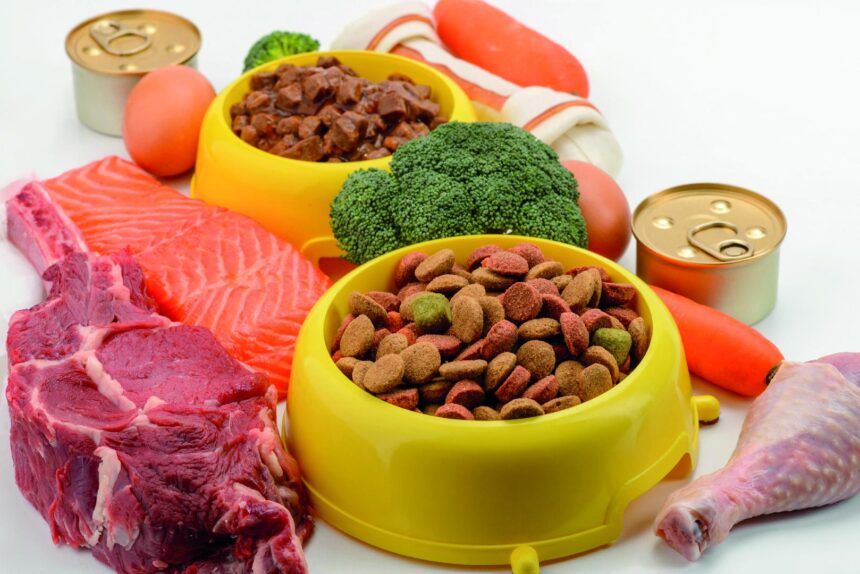
Supplementing your pet’s diet with fresh, natural foods can be very beneficial for their health, as long as it’s done safely and knowledgeably.
Here’s a complete guide to safe foods you can share with your dogs and cats, as well as a crucial list of those you should avoid at all costs.

Golden Rule: Moderation is Key
Before you start, remember the 10% rule: supplemental foods or treats should not exceed 10% of your pet’s daily caloric intake. The foundation of their nutrition should always be a high-quality commercial food (kibble) formulated specifically for their species, age, and size.
Always consult your veterinarian before introducing new foods into your pet’s diet, especially if they have any preexisting medical conditions.
🥗 Safe Foods for Dogs
Dogs are omnivores, so their digestive system can process a wider variety of foods compared to cats.

Lean Proteins (Always Cooked)
These are an excellent source of essential amino acids. Make sure to cook them without salt, oils, or seasonings. Always remove bones and skin.
- Chicken and Turkey: Without bones or skin.
- Lean Beef: In small pieces.
- Fish: Salmon, tuna, and sardines (in water, no added salt) are rich in omega-3 fatty acids, beneficial for skin and coat. Cook them thoroughly and remove all bones.
- Eggs: Hard-boiled or scrambled, they’re a great source of protein.
Vegetables
They provide vitamins, fiber, and minerals. You can offer them raw (grated or in small pieces to prevent choking) or steamed.
- Carrots: Excellent for dental health.
- Pumpkin (Squash): Pure and unsweetened, it’s fantastic for digestion (both for diarrhea and constipation).
- Broccoli and Cauliflower: In small amounts, as excess can cause gas.
- Peas and Green Beans: Fresh or frozen (thawed beforehand).
- Cucumber: Refreshing and low in calories.
- Spinach: In small amounts.
Fruits (Without Seeds or Core)
They offer vitamins and antioxidants. You should give them in moderation due to their sugar content.

- Apples: Without the core or seeds, which contain cyanide.
- Banana: Rich in potassium, but offer in small portions.
- Blueberries and Strawberries: Full of antioxidants.
- Watermelon and Cantaloupe: Without rind or seeds. Very hydrating.
- Pear: Without the core or seeds.
Grains and Cereals (Well Cooked)
- White or Brown Rice: Easy to digest, ideal for sensitive stomachs.
- Oatmeal: Cooked and without added sugars.
🥩 Safe Foods for Cats
Cats are strict carnivores, which means their diet should be based primarily on animal-based proteins. They are less likely to enjoy fruits and vegetables.
Proteins (The Foundation of Their Supplement)
Always cooked, without seasonings, skin, or bones.
- Chicken and Turkey: The safest and most appreciated option.
- Fish: Salmon, tuna, or mackerel. Their high content of fatty acids is excellent for them, but it should not be the basis of their diet (maximum a couple of times per week) to avoid excess mercury or vitamin E deficiency.
- Beef or Lamb: In very small, lean pieces.
- Hard-Boiled Egg: A small portion is a great treat.
Vegetables (in Tiny Amounts)
Most cats won’t be interested, but some can be beneficial for their fiber. They should be steamed and finely chopped.
- Carrots.
- Pumpkin.
- Peas.
- Broccoli.
Fruits
It’s rare for a cat to show interest in fruits due to their inability to taste sweetness. If your cat is curious, you can offer a tiny portion of:
- Cantaloupe, strawberries, or blueberries.
🚫 DANGER! Toxic Foods You Should NEVER Give Them
This list is crucial. Ingesting these foods can cause anything from gastrointestinal distress to severe organ failure and even death.
- Chocolate, Coffee, and Caffeine: They contain methylxanthines, substances highly toxic to the heart and nervous system of dogs and cats. Dark chocolate is the most dangerous.
- Onion, Garlic, Leeks, and Chives: They damage red blood cells, causing anemia. The danger exists whether they are raw or cooked.
- Grapes and Raisins: They can cause sudden acute kidney failure in dogs.
- Avocado: Contains persin, a toxic substance that can cause digestive, respiratory, and cardiac problems.
- Alcohol: Can cause intoxication, coma, and death.
- Xylitol: An artificial sweetener found in gum, candy, “light” peanut butter, and baked goods. It causes a massive release of insulin, leading to severe hypoglycemia and liver failure.
- Dairy (Milk, Cheese, Yogurt): Most adult dogs and cats are lactose intolerant, which can cause diarrhea and digestive discomfort.
- Cooked Bones and Fish Bones: They splinter easily, potentially causing perforations in the digestive tract, choking, or broken teeth.
- Raw Meat, Eggs, and Fish: Risk of bacteria like Salmonella and E. coli. Raw fish can also lead to thiamine (vitamin B1) deficiency.
- Macadamia Nuts: Extremely toxic to dogs.
By supplementing your furry companion’s diet in an informed and safe way, you not only offer variety and new flavors but also strengthen their health and your bond. Enjoy mealtime together responsibly!