

More Americans resort to credit to pay for food, gas, and basic utilities; risk of years-long debt grows
Translated with AI from the original article in Spanish. Leer la noticia original en español

66% of households in the United States have used credit cards over the past year to buy groceries, while financed payments for gas and basic utilities increase, according to an Accredited Debt Relief survey highlighted by the New York Post. In a context where total credit card debt reaches $1.26 trillion (trillions), according to the Federal Reserve Bank of New York, using revolving credit to supplement income that does not cover the cost of living turns daily expenses into liabilities that take years to pay off.
X-ray of debt caused by basic expenses
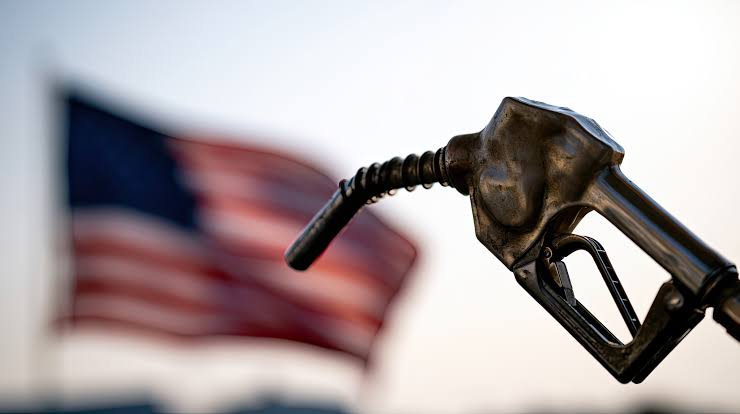
- Daily dependency: According to the Urban Institute analysis, 49% of families fail to securely cover their essential expenses with their salary, with an average monthly cost of $1,060 for groceries, $171 for electricity, and gas hovering around $4.48 per gallon.
- Snowball effect: Charging $800 a month in food to the card and paying only $600 accumulates a $2,400 deficit a year before interest; adding APR rates above 20%, purchases consumed in days end up being paid for over years.
- Deferred payment trap: "Buy Now, Pay Later" plans without interest appear to offer relief, but they overlap biweekly installments that commit the next paycheck and trigger penalties upon any delay.
Strategies to halt the accumulation of debt
- Protect the grace period: Paying only the minimum amount eliminates the interest-free period on new purchases; if a card already carries a balance, it is best to use debit or cash for groceries and prevent each purchase from generating interest from day one.
- Restructure without opening a new deficit: 0% APR balance transfer cards or Debt Management Plans allow you to save hundreds of dollars in interest, but require freezing new charges and correcting the gap between income and expenses.
- Seek free financial counseling: There are public programs and non-profit agencies (such as the 311 municipal line in cities like New York or the National Foundation for Credit Counseling nationwide) that provide guidance in Spanish to negotiate rates and build budgets regardless of income level or immigration status.
Conclusion
If your next paycheck is already committed to paying for consumed purchases, review how much you need to live before taking on another obligation. Consolidating balances can help you reorganize payments, but it does not fix a persistent difference between income and expenses on its own. The way out requires addressing that shortfall, not just changing creditors.