

Florida laws taking effect: License plates, rentals, and pets
Translated with AI from the original article in Spanish. Leer la noticia original en español
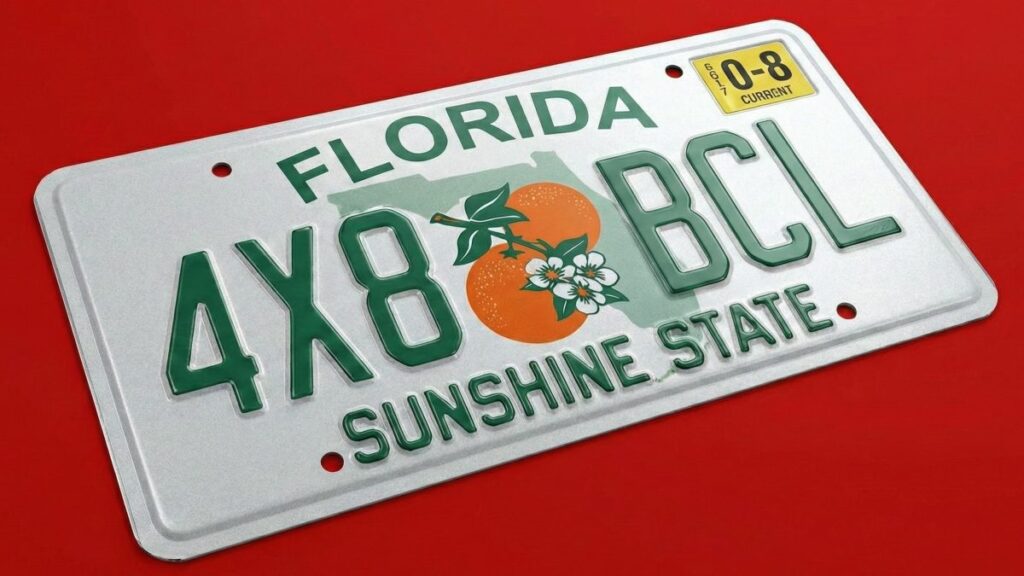
If you drive on Florida's highways, rent a home, or share your household with a pet, you know perfectly well that state regulations shape every aspect of our daily routine. The truth is that staying up to date with legislative changes is not just a matter of informative curiosity, but an imperative necessity to avoid surprise fines, protect our rights as tenants, and ensure the responsible care of our pets.
The state's legislative calendar marks October 1st as a key date on which a diverse block of statutes begins to be formally applied. This time, the legislative focus has centered on three fundamental pillars of civic life: vehicle identification, the residential rental market, and criminal protection against animal cruelty. What exactly do these new regulations require, how do they impact family budgets, and what must you do to adapt in time? Let's break it down thoroughly.
The legislative pulse of October (Snippet Bait): Starting October 1st, a set of new laws officially take effect in Florida that modify requirements for vehicle license plates, tighten regulations in the residential rental market, and impose more severe penalties for negligence and animal welfare. Knowing these provisions is essential to avoid traffic fines, protect lease agreements, and comply with the standards of pet care required by the state.

The anatomy of road changes: New rules for vehicle license plates and traffic
To understand the magnitude of the modifications on Florida's roads, it is necessary to review how vehicle control agencies seek to optimize identification and safety on the highways.
1. Design updates and fines for license plate visibility
The Florida Department of Highway Safety and Motor Vehicles (FLHSMV) will intensify the enforcement of regulations regarding the legibility and physical condition of metal license plates installed on automobiles.
- The end of obstructive frames: Decorative license plate frames that partially or totally hide registration numbers, the state of origin, or annual validation stickers are strictly prohibited. State police have the authority to stop and fine drivers whose plates present visual obstructions.
- The uncomfortable truth: Many drivers install plate holders purchased at dealerships or accessory stores that cover the informative edges. From now on, there will be zero tolerance for these aesthetic details, which will become a frequent reason for traffic infractions.
2. New registration and technological control requirements
The modernization of FLHSMV systems seeks to more efficiently integrate registration records with toll and automated patrol databases.
- Digital validation and stickers: Protocols for the timely updating of validation stickers in the upper right corner of the rear plate are reaffirmed, reminding owners that driving with expired plates carries cumulative fines and the possible temporary immobilization of the vehicle during routine stops.
Table: X-ray of road and civic regulations in Florida
To visualize with precision the key changes this date brings, we contrast the affected areas and their new provisions:
| Legislative Area | Previous Regulation / Common Practice | New Provision (As of October 1st) |
| Vehicle Plates | Flexible tolerance with decorative frames and partial visibility. | Strict prohibition of obstructive frames and fines for poor visibility. |
| Residential Rentals | Wide margins in deposit management and notifications. | Greater rigor in notification deadlines and lease agreement arbitration. |
| Animal Welfare | Moderate sanctions for abandonment or exposure conditions. | Increase in felony charges for cruelty and extreme negligence. |
Practical guide: How to comply with the new laws and protect your home and family?
Given the entry into force of this legislative package, Florida residents must adopt a preventive approach to avoid legal or financial setbacks. Follow these foolproof steps:
1. Avoid unnecessary road fines: Inspect the physical condition and frames of your vehicle license plates.
Go to the front and back of your vehicle. Remove any decorative frame, dealership advertisement, or transparent protective cover that covers the edges, numbers, or the month and year sticker on your license plate. Ensure that the characters are perfectly legible from the regulatory distance.
2. Update your knowledge on tenant and landlord rights: Review the terms of your residential lease agreement.
If you rent a house or an apartment, carefully read the renewal clauses and deposit policies established by the new state provisions. If you have any questions about rent increases or eviction deadlines, seek advice from community housing organizations.
3. Protect your pets and comply with care regulations: Verify compliance with animal welfare standards.
If you have dogs or cats, ensure they have adequate shelter from inclement weather, constant fresh water, and an updated microchip or identification tags. The new laws toughen punishments for leaving pets tied up outdoors under extreme weather conditions.
The truth is that adapting to new local laws is the best way to maintain family peace of mind and avoid headaches with the authorities. For our Hispanic community in Florida, being informed in time is the best shield to protect our assets and our rights.
Image: ElHispanoParaTodos/PRESS