

The United States has announced the availability of 20,000 H-2B visas for non-agricultural temporary workers from Colombia, Ecuador, El Salvador, Guatemala, and Honduras.
This H-2B visa measure is part of a broader effort by the Biden-Harris Administration to regulate migration and meet labor demand in various U.S. industries.

This program, designed to address the demand for temporary labor in certain sectors of the U.S. economy, provides a legal pathway for these individuals to work in the United States for a set period.
Details of the H-2B Program
- Type of work: H-2B visas are for temporary jobs in non-agricultural sectors, including tourism, hospitality, landscaping, construction, and seafood processing.
- Total number of visas: In fiscal year 2024, a total of 64,716 H-2B visas will be offered, with a specific focus on the aforementioned countries.

Application Process
Interested individuals must follow a specific process to obtain an H-2B visa:
- Temporary Employment Certification: A U.S. employer must apply for and receive this certification, which demonstrates the need for foreign workers.
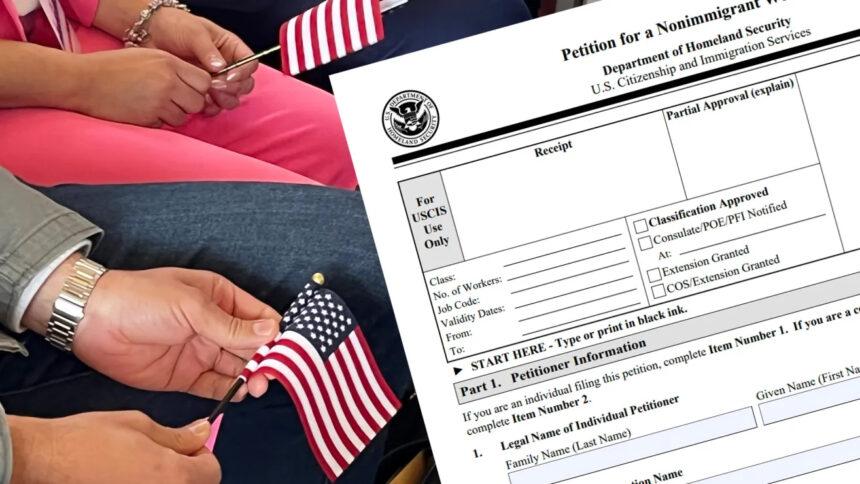
- Filing Form I-129: Once the certification is obtained, the employer submits this form to U.S. Citizenship and Immigration Services (USCIS).
- Visa Application: After the form is approved, workers must apply for the visa at a U.S. embassy or consulate.
Requirements
To qualify for the H-2B visa, it must be demonstrated that:
- There are not enough U.S. workers available to perform the job.
- Hiring H-2B workers will not adversely affect the wages and working conditions of U.S. employees.
This initiative aims not only to provide job opportunities for citizens of these countries but also to mitigate irregular migration by offering a legal pathway to work in the United States.

Image: Opinion





