

Power at the Polls: Why the Latino Vote Will Be Decisive in Florida This November 3rd
Translated with AI from the original article in Spanish. Leer la noticia original en español
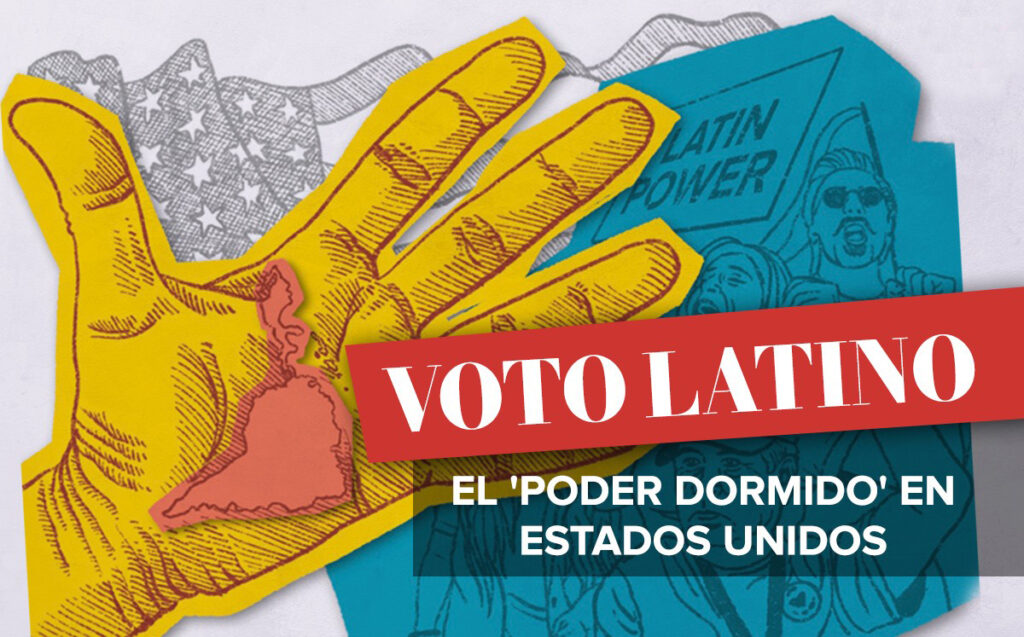
Discover why the Latino vote could define the political direction of the United States in the November 3rd elections and the specific weight of Florida in this process.
As the midterm elections on November 3rd approach, all eyes are on a demographic sector that is rewriting the electoral map of the United States: the Hispanic community. With a record figure of approximately 39 million Latinos eligible to vote nationwide in 2026, their participation is emerging as the country's second-largest electoral force and a determining factor for control of Congress.
Florida, and particularly regions like Miami-Dade, are positioned at the epicenter of this political contest.
Florida: The key battlefield
According to data from the Pew Research Center, Florida had around 3.5 million Hispanics eligible to vote in recent years, representing a fundamental portion (around 22.6%) of the state's electorate. This figure consolidates Florida as the state with the third-highest number of Latino voters in the country, only behind California and Texas.
The midterm elections will renew all 435 seats in the House of Representatives and 35 of the 100 Senate seats. In races expected to be extremely tight, the behavior of the Hispanic electorate in key districts could tip the balance toward Democrats or Republicans.
A diverse electorate concerned about the economy
Unlike other minorities, the "Latino vote" is not a monolithic block. In Florida, the diversity of origins—Cubans, Venezuelans, Puerto Ricans, Colombians, Central Americans, among others—translates into varied priorities and political affiliations.
However, recent polls and surveys reveal shared concerns that are mobilizing Hispanics to the polls:
- The cost of living: The increase in the prices of basic goods, gasoline, and property insurance in Florida is the number one issue for many families.
- Immigration uncertainty: Immigration policies and the fear of deportations remain a sensitive point.
- Foreign policy: Situations in countries like Cuba and Venezuela continue to influence the decisions of voters in South Florida.
The importance of massive participation
Despite demographic growth, the true power of the Latino vote lies in effective participation. Historically, midterm elections record a lower turnout at the polls compared to presidential ones.
"The rising cost of living and unemployment are weighing on our communities, and this could affect the electoral balance," local political analysts point out. That is why various organizations have launched intensive campaigns, such as "¡Pa Luego es Tarde! Vota!", to encourage registration and civic participation.
For the interests and needs of the Hispanic community in Palm Beach, the Treasure Coast, and all of South Florida to be represented equitably in Washington, a massive turnout at the polls is essential. On November 3rd, Latinos will not only choose their representatives; they have the opportunity to decide the direction of the country.
Important dates to keep in mind:
Early voting: October 19 to November 1, 2026, from 10am to 6pm.
Election Day: November 3, 2026, from 7am to 7pm.