

The Power of the Local Vote: How Elections in Palm Beach and the Treasure Coast Shape Our Daily Economy
Translated with AI from the original article in Spanish. Leer la noticia original en español
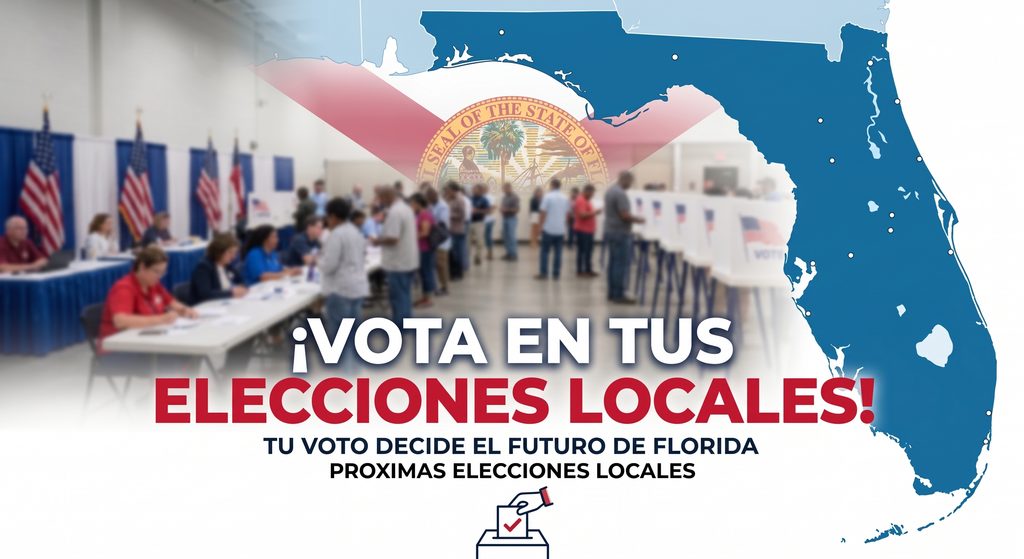
On November 3, 2026, local decisions in Palm Beach, St. Lucie, Martin, and Indian River will impact your taxes, schools, and roads. Know the power of your vote.
While state gubernatorial races capture much of the media attention, the decisions with the greatest weight on our daily routine and family budget will be made at the local level.
County commissioners, city councils, mayors, and school boards have a direct influence on the finances, infrastructure, and quality of life in our region.
1. The direct impact on your pocketbook: taxes and development in South Florida
The finances of municipal and county governments in our area are sustained directly by local residents and businesses. Those who hold public office in Palm Beach and the Treasure Coast will determine how those resources are distributed and how much money comes out of each family's income:
- Property tax rates: Commissioners in counties like Palm Beach and St. Lucie annually approve the millage rate, directly influencing the annual cost of owning a home and, consequently, the price of local rents.
- Impact and mobility fees: Municipal authorities define how much builders must pay for each new development, which is vital in fast-growing cities like Port St. Lucie or West Palm Beach, setting the pace and cost of future housing.
- Approval of bonds and debt: Local ballots include referendums on issuing public debt to fund parks, beach protection, or libraries, committing local budgets over the long term.
2. Traffic, infrastructure, and regional growth
Demographic growth in South Florida and the Treasure Coast has placed unprecedented pressure on our streets and services. The quality of life in our neighborhoods depends almost exclusively on local administration decisions:
- Road infrastructure and transit: Local mobility plans prioritize which roads are widened, where investments are made in safe intersections, and how public transportation is managed to alleviate bottlenecks on congested roads in Port St. Lucie, Fort Pierce, Stuart, and the Palm Beach metropolitan area.
- Public safety and emergencies: Budget allocations at the county and city level determine police staffing, firefighter equipment, and response times to 911 calls in our communities.
- Zoning and land use: Zoning ordinances regulate commercial versus residential development, protecting the natural spaces of the Treasure Coast and defining the population density allowed in each district.
3. Schools, ordinances, and direct representation
Public education and community regulations are designed by officials elected at the school district or city level, impacting the well-being of Hispanic families and the community at large:
- School board policies: Elected members of the Palm Beach, Martin, St. Lucie, and Indian River school boards set the budget for schools, extracurricular programs, and standards for student support and teacher retention.
- Community ordinances: Local governments regulate pet management, noise levels, trash collection, stormwater management (vital during hurricane season), and regulations for landlords and tenants.
Participating in the November 3 elections ensures that investments, regulations, and the vision for growth respond to the real priorities of residents.
To make informed decisions, voters should verify their registration status and review their sample ballots on the official websites of the Supervisors of Elections for Palm Beach, Martin, St. Lucie, or Indian River counties.