

The Future of U.S. Rural Areas at Risk Due to Immigration Offensive
Translated with AI from the original article in Spanish. Leer la noticia original en español
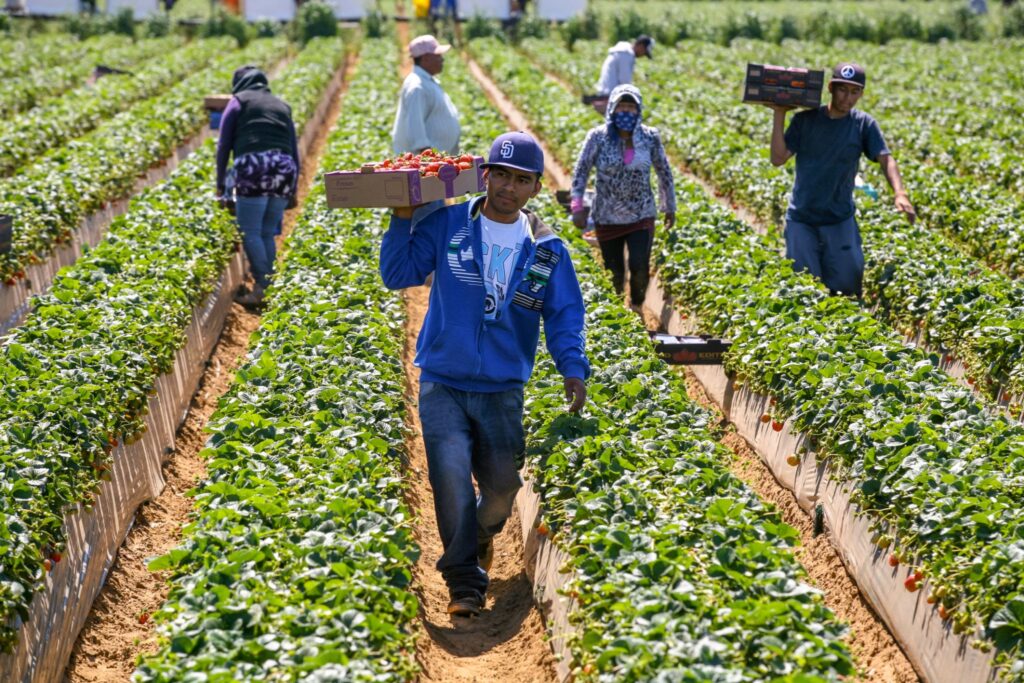
Rural communities or areas in the United States face a critical paradox: while political rhetoric and promises of immigration crackdowns intensify under figures like Donald Trump, the economic survival of these regions depends absolutely on immigrant labor. From the vast crop fields of California to the meatpacking plants of the Midwest and the dairy farms of the north, foreign workers are the foundation that sustains the country's food supply.
The threat of mass deportations and the potential cancellation of work permits not only creates anxiety in Hispanic households but also anticipates a severe agricultural destabilization that would impact the prices paid by all American consumers.
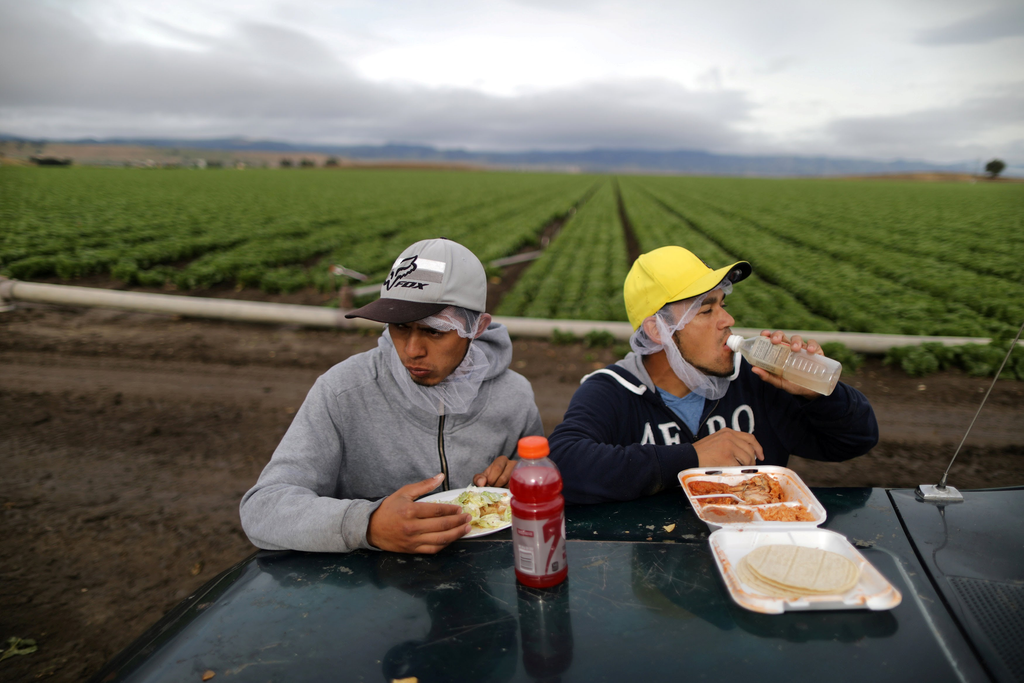
The Hidden Engine of Agriculture and Livestock
Economic data demonstrate a structural dependency that the U.S.-born workforce is not covering:
- Dominance in crops: Between 50% and 75% of all agricultural workers in the country are immigrants, and a large proportion of them lack legal status.
- Dairy industry at risk: 51% of the workers who keep the country's dairy farms operational are of immigrant origin.
- Meat processing: Meatpacking plants, a fundamental sector with high physical demands, depend on undocumented immigrants to fill approximately 23% of their jobs nationwide.
Economic Consequences of an Immigration Offensive
The impact of executing mass deportation policies goes beyond the social; it would trigger immediate and widespread effects for rural America and the average citizen's pocketbook:
- Historic Increase in Food Prices: The current labor shortage has already caused meat and dairy prices to increase between 4.5% and 7.0%. A drastic and sudden reduction in work permits and active workers could drive food prices up by as much as 14.5% by the year 2028.
- Bankruptcy of Family Farms: While large food conglomerates can absorb certain losses, small rural producers are closing their doors. In the last decade, the number of dairy operations in the U.S. plummeted by 42%, a profitability crisis that would be lethal without available labor.
- Depopulation and Rural Commercial Collapse: Immigrant workers inject vitality into rural towns, contributing millions in tax revenue and consumption at local businesses. Without their presence, these communities face a demographic exodus that threatens the viability of local businesses, schools, and hospitals.