The U.S. economy expanded at a surprising 3.8% between April and June, the government reported, marking a sharp improvement over its previous growth estimate for the second quarter.
- Consumer spending rose at a 2.5% rate, up from 0.6% in the first quarter and well above the government’s previous estimate of 1.6%.
- They note that tariffs are paid by U.S. importers, who attempt to pass the cost on to their customers through higher prices.
- Labor Department revisions earlier this month showed the economy created 911,000 fewer jobs than originally reported in the fiscal year ending in March.
U.S. gross domestic product (GDP)—the national output of goods and services—rebounded in the spring after a 0.6% decline in the first quarter, driven by the fallout from President Donald Trump’s trade wars, the Commerce Department said Thursday. The department had previously estimated 3.3% growth for the second quarter.

The first-quarter GDP drop, the first contraction of the U.S. economy in three years, was mainly due to a sudden surge in imports—which are subtracted from GDP—as businesses rushed to import foreign products before Trump could impose steep tariffs. This trend reversed, as expected, in the second quarter: imports fell at a 29.3% rate, boosting growth between April and June by more than 5 percentage points.
Consumer spending rose at a 2.5% rate, up from 0.6% in the first quarter and well above the government’s previous estimate of 1.6%.
Since returning to the White House, Trump has reversed decades of U.S. policies supporting freer trade. He has imposed double-digit tariffs on imports from nearly every country in the world and also targeted specific products, such as steel, aluminum, and automobiles.
Trump views tariffs as a way to protect U.S. industry, bring factories back to America, and help fund the massive tax cuts he signed into law on July 4.

However, mainstream economists—whose views Trump and his advisors reject—argue that his tariffs will harm the economy by raising costs and reducing the efficiency of protected U.S. businesses.
They note that tariffs are paid by U.S. importers, who attempt to pass the cost on to their customers through higher prices.
As a result, tariffs can be inflationary, though their impact on prices has so far been moderate.

Trump’s unpredictable approach to imposing tariffs—announcing, suspending, and then implementing new ones—has confused businesses, contributing to a sharp slowdown in hiring.
From 2021 to 2023, the U.S. added an impressive 400,000 jobs per month as the economy recovered from COVID-19 lockdowns. Since then, hiring has stalled, partly due to uncertainty over trade policy and partly because of the lingering effects of 11 interest rate hikes by the Federal Reserve’s inflation-fighting agencies in 2022 and 2023.
Labor Department revisions earlier this month showed the economy created 911,000 fewer jobs than originally reported in the fiscal year ending in March.
This meant employers added an average of fewer than 71,000 new jobs per month during that period, not the 147,000 initially reported. Since March, job creation has slowed further, to an average of 53,000 jobs per month.
The Labor Department is expected to report on October 3 that employers added just 43,000 jobs in September, though unemployment likely remained at a low 4.3%, according to analysts surveyed by data firm FactSet.
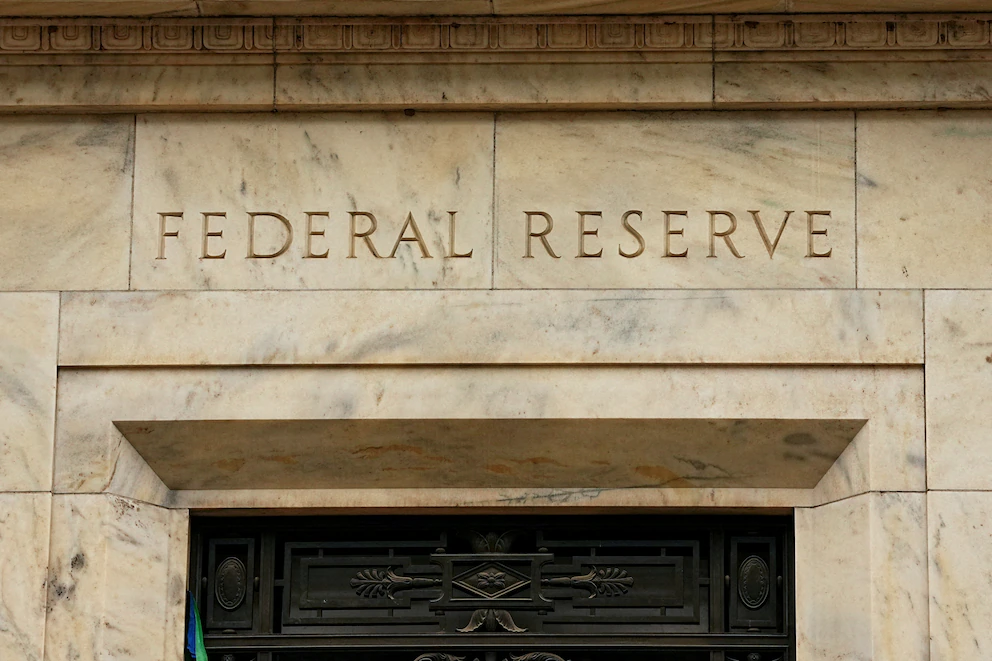
To boost the labor market, the Fed cut its benchmark interest rate last week for the first time since December.
Thursday’s GDP report was the Commerce Department’s third and final analysis of second-quarter economic growth. It will release its initial estimate for July-to-September growth on October 30.
Analysts surveyed by data firm FactSet currently expect GDP growth to slow to an annual rate of just 1.5% in the third quarter.
Image: Infobae