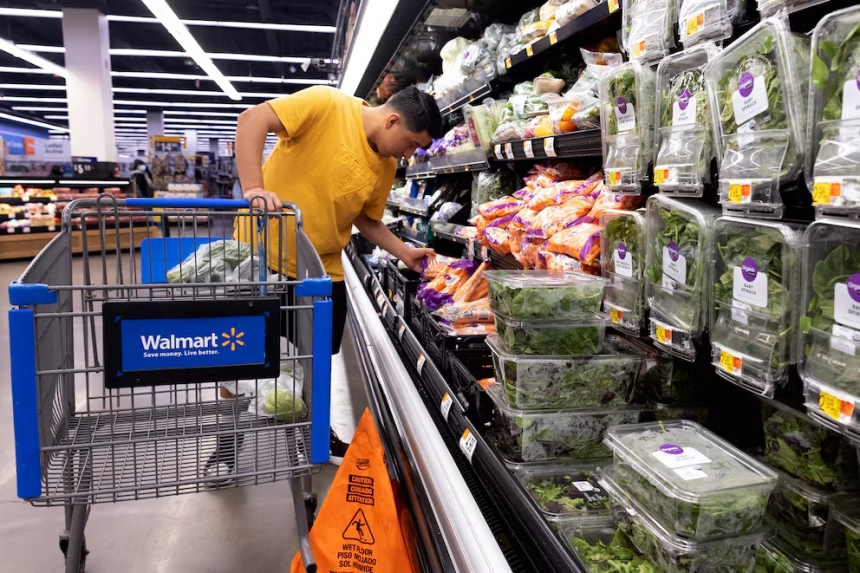
Food prices continue to climb in the United States, triggering a profound shift in the population’s consumer habits.
Inflation in supermarkets is hitting consumers, who are adapting their purchases to cope with rising costs for staples like beef, coffee, and cereals.

This trend has intensified in recent months, as official records show steady increases in the cost of everyday products.
The price of beef, for example, has reached historic highs, with cuts like rib-eye selling for $32.99 per pound ($72.75 per kilogram). According to the U.S. Department of Labor, the price of coffee rose 20.9% in the twelve months ending in August, ground beef increased by 12.8%, and bananas went up by 6.6%.
In August, the average price of ground coffee reached $8.87 per pound, nearly $19.55 per kilogram—almost a dollar more than in May. As a result, many consumers have started cutting back on purchases, stocking up on food when possible, and hunting for discounts more aggressively.
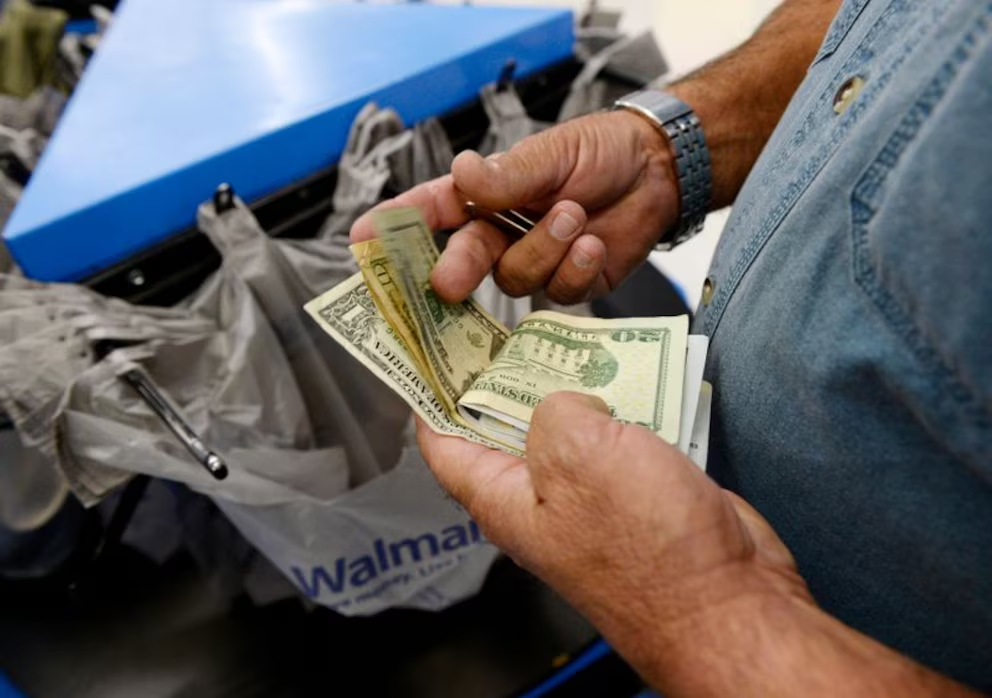
Consumer alternatives
Faced with this trend, consumers are exploring alternatives. Steve Smith, a 65-year-old former police officer from Colorado, has opted to buy more shrimp and less salmon, choosing ground beef over premium cuts, and experimenting with plant-based proteins like quinoa. “Now I consider myself a saver. You have to get creative with food,” Smith said. He also mentioned that the high price of meat has made him consider taking up hunting again.

In California, nurse Christina Duong tries to navigate rising costs by shopping at specialty stores and ethnic markets to take advantage of sales. She noted that “the only thing that hasn’t changed in price is Costco’s rotisserie chicken,” which has held its value since 2009. “Everything else—whatever it is—has gone up,” Duong concluded.
Albertsons CEO Susan Morris said, “We see customers sticking more strictly to their shopping lists, maybe not buying that extra item,” a strategy the chain has identified to cope with inflation.
Morris added that the company is looking to cut costs to curb price increases. The use of coupons and a preference for smaller packaging have also intensified, as the executive acknowledged during an earnings conference.

Expert opinions
The August inflation report revealed an acceleration in rising prices at supermarkets. Other products, such as dairy, fruits, vegetables, and cereals, are also seeing consistent increases.
This situation is compounded by the effects of trade tariffs and rising raw material costs, including U.S. beef, Spanish olive oil, Guatemalan bananas, and shrimp imported from Vietnam.
Some companies absorb part of these increases, but others pass them directly to the final consumer. The result: higher food prices on shelves and growing pressure on household budgets.
McCormick CEO Brendan Foley noted that consumers, particularly those in low- and middle-income brackets, have shifted to more frequent, smaller purchases. “They continue cooking at home more often and seek fresh foods in the outer aisles of the supermarket to keep costs down,” Foley explained.
A similar trend was acknowledged by Mondelez International CEO Dirk Van de Put, who stated that customers “have not increased their spending in two and a half years, even as prices have risen.” Van de Put emphasized the lack of willingness to expand budgets amid uncertainty over future implications, particularly in the context of tariffs and inflation.
Retail workers also have their perspective. Mario Bedolla, a manager at North Pulaski Fresh Market in Chicago, said prices at his store have risen about 20% this year alone. “There are always complaints. Customers come in, see the prices, and ask, ‘What’s going on here?’” Bedolla recounted, though he admits many still return week after week: “When it comes to food, there aren’t many options.”
Image: Infobae