

Democrats regain control of the Senate and deal a political blow to Trump
Translated with AI from the original article in Spanish. Leer la noticia original en español
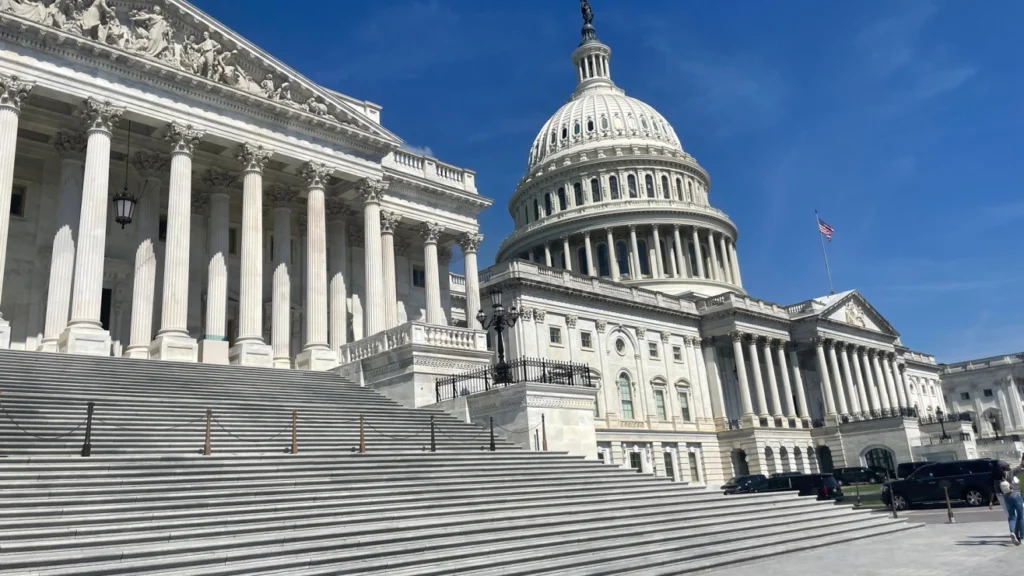
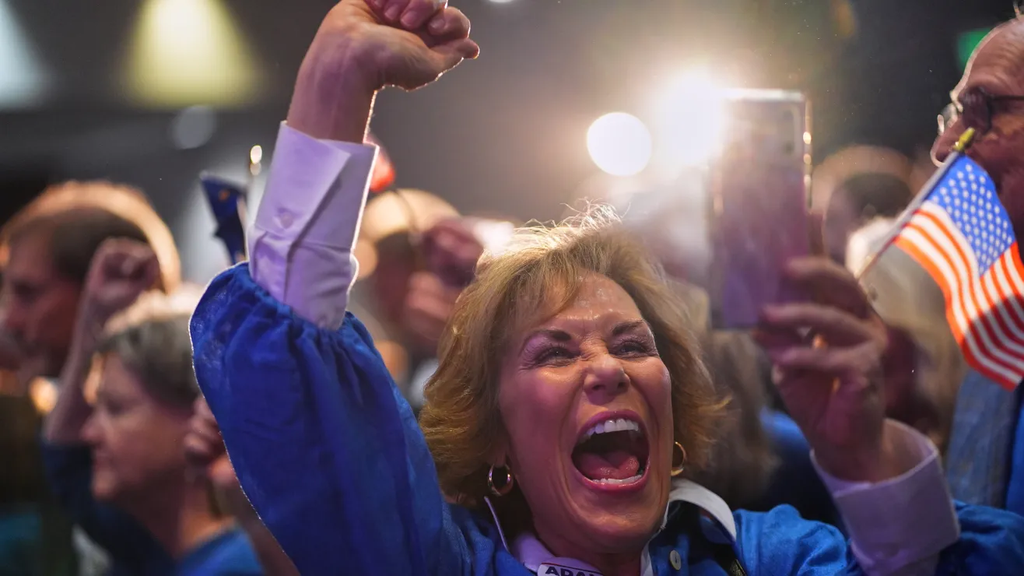
The Democrats have regained control of both the Senate and the House of Representatives in the midterm elections of November 2026. They snatched the majority from the Republican Party, marking a setback for the second half of Donald Trump's term.
Key factors in the Senate electoral shift
- The 51st seat in Iowa: Josh Turek's victory in Iowa over his conservative rival broke nearly two decades of Republican dominance in the state and formally certified the 51-seat Democratic majority in the Upper House.
- Historic shifts and surprises: In Texas, James Talarico defeated Republican Ken Paxton with more than 55% of the vote, achieving the first statewide Democratic win in over three decades. In Maine, Troy Jackson unseated Susan Collins after nearly 30 years in office, while Sherrod Brown reclaimed Ohio and Annie Andrews pulled off an upset in South Carolina.
- Retention of competitive seats: Jon Ossoff validated his mandate in Georgia, Chris Pappas secured the open seat in New Hampshire, and Mark Warner retained Virginia.
Institutional impact on the Trump Administration
| Area | Immediate implications |
| Confirmation power | The Senate blocks the Republican path to appointing Supreme Court justices, appellate court judges, and high-level cabinet appointments. |
| Legislative agenda | With both chambers under Democratic control, Republican projects are completely stalled in the Capitol, forcing negotiations on budget items or reliance exclusively on executive orders. |
| Oversight power | Committees in both chambers will now be chaired by Democrats, enabling subpoenas, investigative commissions, and direct scrutiny of federal departments. |
Political impact for the Trump Administration
- Brake on appointments: By controlling the Senate starting in January, the opposition will have veto power over the confirmation of federal judges, Supreme Court justices, and high-ranking cabinet officials.
- Legislative blockade and oversight: With dominance of both chambers of Congress, Democrats will be able to halt the Republican legislative agenda and push for investigative commissions into the White House's management.
- Presidential reaction: After the first consolidated results were known, President Trump initially indicated to the press his willingness to collaborate with the new majority, although in subsequent statements he downplayed the interpretation of the punishment, arguing that his name was not on the ballots, and reiterated that he will use the presidential veto power against Democratic initiatives.
Get our news on Google⭐ Add El Hispano as a preferred source on Google