

How to pay less for car insurance premiums in 2027: changes you must make before renewing
Translated with AI from the original article in Spanish. Leer la noticia original en español
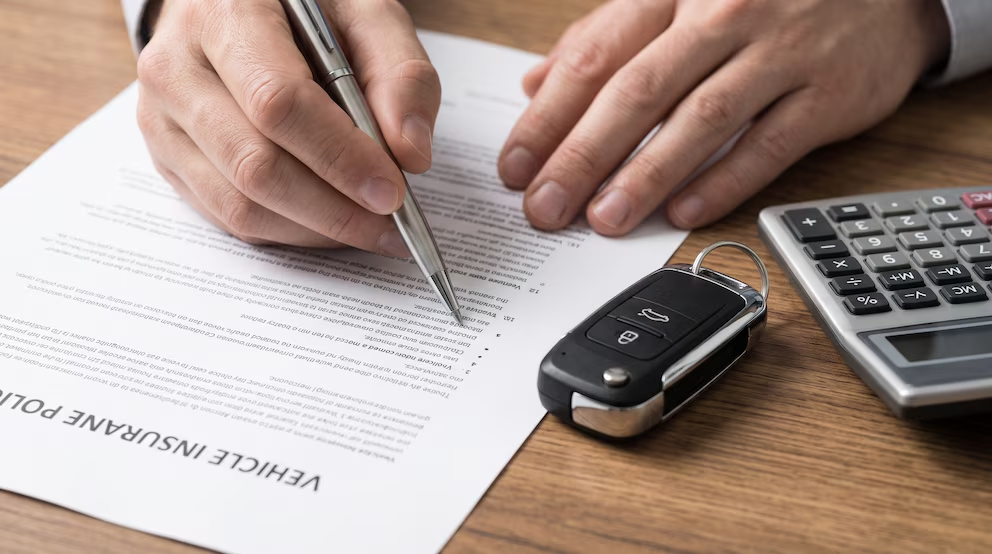
The increase in the cost of repairs, spare parts, and the frequency of claims has made automotive premiums more expensive in recent years, so saving on the 2027 renewal requires reviewing and adjusting policy conditions several weeks before expiration without sacrificing essential protection.
Key changes and adjustments before renewing
- Compare equivalent quotes: Request quotes from at least three insurers, verifying that they have exactly the same liability limits, deductibles, and coverage. Ask for a written breakdown to verify that a lower price comes from a real discount and not from hidden cuts or exclusions in protection.
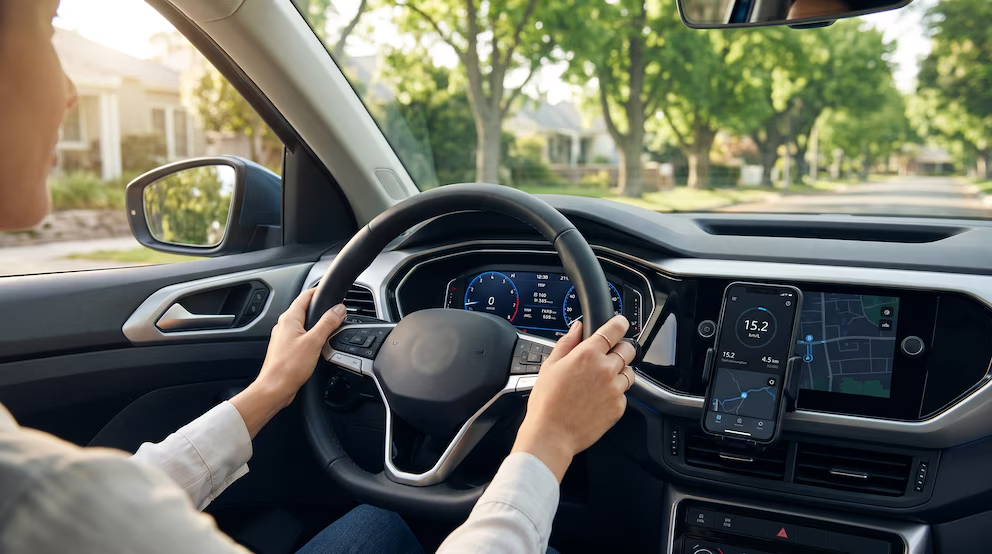
- Update annual mileage: If you work from home, have changed your commute, or use the vehicle less than when you took out the original policy, report the new estimated mileage to apply for low-usage discounts.
- Strategically increase the deductible: Raising the amount you pay out of pocket in the event of a claim (for example, going from $500 to $1,000) usually reduces the monthly or semi-annual premium immediately, provided you have an emergency fund to cover that difference in case of an unforeseen event.
- Evaluate coverage on old or depreciated cars: Review the current market value of your vehicle against the annual cost of collision and comprehensive coverage. If the car is many years old and the combined cost of the annual premium plus the deductible approaches its resale value, it is usually better to eliminate those optional coverages and maintain only the liability required by law.
- Claim discounts that are not applied automatically: Actively ask about additional benefits such as bundling (auto with home or renters insurance), paying the full semi-annual or annual premium in a single installment, signing up for automatic debit or paperless billing, telematics programs that reward safe driving, and the installation of anti-theft devices.
- Eliminate redundant extras: Remove optional services such as roadside assistance or rental car reimbursement if you already have those benefits through automotive memberships, the manufacturer's warranty, or credit cards.
- Avoid coverage gaps: If you decide to change companies, ensure that the new policy takes effect on the exact same day or before the previous one expires. Being without active insurance, even for a few days, generates legal penalties and increases future rates.
Estimated impact based on the type of adjustment
Savings percentages usually vary depending on the insurer, driving history, and the regulations of each jurisdiction:
| Policy adjustment | Typical impact on premium | Main condition |
| Increase deductible | Approximate reduction of 10% to 25% | Have liquidity to cover the deductible |
| Bundle policies (auto and home) | Approximate discount of 5% to 25% | Purchase both coverages from the same company |
| Low mileage or telematics | Approximate savings of 5% to 30% | Verify odometer or use monitoring app |
| Eliminate collision and own damage | 30% to 50% reduction of the total | Recommended for old, paid-off vehicles |
| Full payment or automatic charge | Approximate discount of 3% to 10% | Pay the full semester or link bank account |
Get our news on Google⭐ Add El Hispano as a preferred source on Google