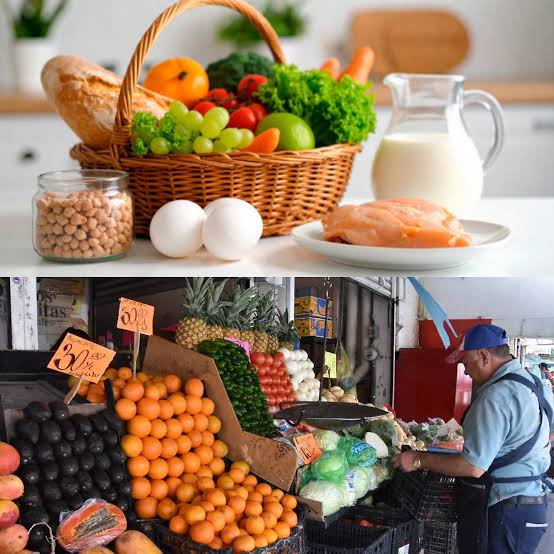
The rising cost of basic goods and rent is cementing itself as the determining factor for the Latino electorate in the United States ahead of the November 2026 midterm elections. A report by the My Code Intelligence Center (reported by El Diario NY and Impremedia), alongside other economic studies, details how the cost of living directly impacts the pockets and voting intentions of this community.
Key findings from the My Code report
The national study—based on a sample of 3,219 people that included 651 Hispanic participants surveyed between May and July 2026—asked voters to identify the three issues that most directly affect their families:
Food and basic goods:34% of Hispanic voters point to the cost of basic household groceries and shopping as one of their strongest daily pressures.
Housing and rent:28% identify rent or housing payments as a critical factor of immediate financial strain.
Job and technological uncertainty: Beyond daily inflation, 66% of surveyed Hispanics believe artificial intelligence represents a serious threat to the job market, and 58% express direct concern over the impact of automation on their jobs.
The report emphasizes that for Latino voters, economic pressure has ceased to be an abstract macroeconomic concern and has become a personal and immediate urgency: how much money is left available at the end of the month after covering essential bills.
The report describes how respondents experience economic hardships in their daily lives. Credit: Fernando Martínez | Impremedia
X-ray of the cost of living for Latino families
Other analyses of the pre-electoral landscape (including data on basic family costs from MIT and working-class surveys) reflect the magnitude of this financial pressure in major metropolitan areas with high Hispanic populations:
Budget to the limit: Around 6 in 10 working-class Latinos state that they barely make ends meet or fail to cover their monthly expenses, while 40% perceive that their economic situation has worsened compared to the previous year.
Geographic disparity: Maintaining a model family of four (two working adults and two children) requires annual gross income exceeding US$103,000 in cities like Houston and scaling to over US$146,000 in Los Angeles or US$154,000 in New York.
Metropolitan Area
Monthly Housing Expense
Monthly Food Expense
Estimated Total Basic Expense (Family of 4)
New York – Newark
US$2,707
US$1,211
US$10,566 / month
Los Angeles – Long Beach
US$2,771
US$1,098
US$10,258 / month
Chicago – Naperville
US$1,752
US$1,128
US$8,921 / month
Miami – Fort Lauderdale
US$2,371
US$1,179
US$8,768 / month
Houston – Pasadena
US$1,566
US$950
US$7,815 / month
Implications for the November elections
With nearly 39 million Hispanics eligible to vote in these midterms, discontent over the cost of rent, groceries, and childcare is shaping a highly pragmatic vote. Analysts agree that no party has a "blank check" with this voting bloc: the priority for the majority of Hispanic households centers on concrete proposals that alleviate housing costs and stabilize food prices.