

Meat Alert: ICE Raids Paralyze Plants and Drive Up Prices
Translated with AI from the original article in Spanish. Leer la noticia original en español
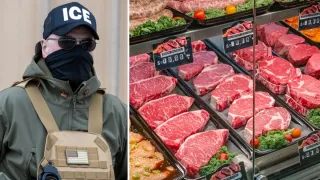
If you have noticed that the price of a good cut of beef at the supermarket seems to compete with luxury items, the truth is that the situation is about to get even steeper. The idea that immigration policies and the domestic economy operate in separate lanes is a myth that crumbles every time a federal patrol raids an agro-industrial production center.
Recent inspections and raids carried out by ICE at key processing plants in cattle-producing states have left a trail of immense operational uncertainty. When federal agents detain or disperse the workforce that sustains the cutting, packaging, and distribution lines, supply chains suffer an immediate collapse. Cattle ranchers, who were already dealing with high feed costs and prolonged droughts, now warn that the lack of qualified personnel will force plants to reduce shifts or close temporarily, translating into artificial shortages and record prices in commercial refrigerators. How does this chain affect the Hispanic consumer and why has beef become the new thermometer of the inflationary crisis? Let's break it down thoroughly.
The pulse of the meat crisis (Snippet Bait): Recent ICE raids on beef processing plants have caused a partial paralysis and a critical labor shortage in the agro-industrial sector, forcing cattlemen's associations to warn that the American consumer will pay historically high prices for beef in supermarkets. The lack of specialized workers on the cutting lines breaks the supply chain and passes extraordinary operating costs directly to the final buyer.
The warning was included in a joint statement by the Kansas Livestock Association, Oklahoma Cattlemen’s Association and Texas Cattle Feeders Association, which represent producers and companies linked to the livestock industry.
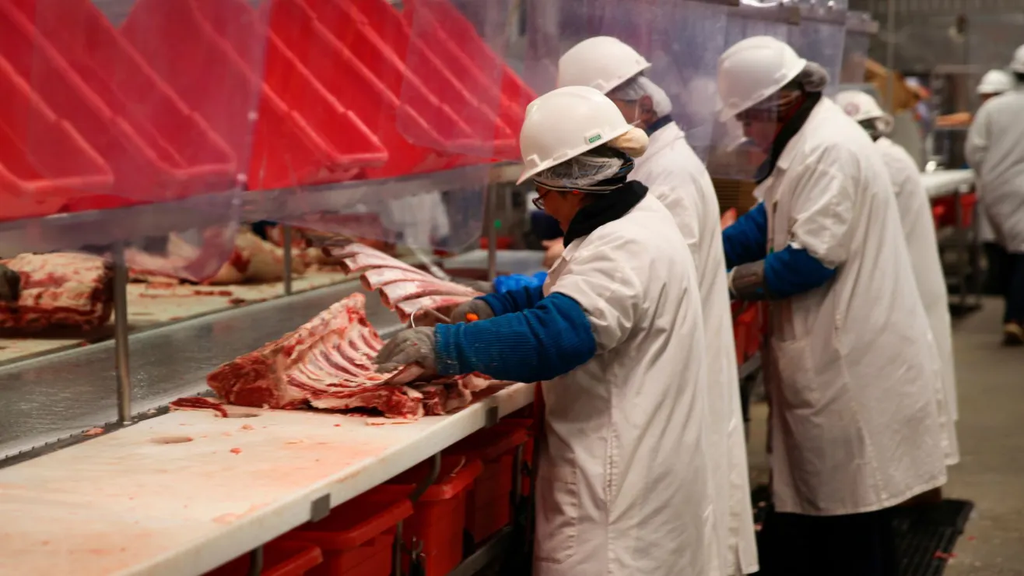
Thousands of cattle wait to be processed
According to the statement, one of the reported effects is the delay of thousands of head of cattle that were scheduled to be sent to processing plants. The associations estimate that this already represents millions of dollars in lost revenue and additional costs for producers.
And the fact is that ICE activity has generated concern in cattle-producing areas in the south and center of the country.
The associations also reported interruptions at points considered strategic for the chain, including feedlots, processors, dairies, feed and grain companies, transportation centers, and community services.
The anatomy of the meat chain: Why does the industry depend so much on immigrant labor?
To understand why an ICE raid at a processing plant can shake the pocketbook of any family in Florida or Texas, it is necessary to look behind the scenes of the agricultural industry.
1. The most fragile link in the agro-industrial chain
Beef production in the United States is not an automated process that depends solely on robotic machinery; it requires a huge amount of specialized and physically demanding human labor.
- Conditions at processing plants: Working in slaughterhouses and packaging plants (giants operated by corporations like Tyson, JBS, or Cargill) involves shifts in freezing temperatures, repetitive movements, and extreme physical wear that native-born workers systematically avoid.
- The uncomfortable truth: For decades, the meat industry has depended critically and structurally on immigrant workers, many of them without regularized legal status, who accept these harsh jobs to support their families. By hitting these plants with punitive operations, ICE not only detains people but also dismantles the operational gear that feeds millions of households.
2. The domino effect: From the slaughterhouse to the supermarket cart
When a processing plant loses a significant percentage of its staff overnight due to fear of deportations or on-site arrests, the consequences are immediate:
- Capacity reduction and bottlenecks: Ranchers who transport live cattle to slaughterhouses find that the facilities cannot process the animals at their usual pace. Cattle accumulate in the pens, increasing feed costs for the ranchers.
- Passing the cost to the consumer: Given the inability to process large volumes and the shortage of finished product ready for packaging, the law of supply and demand comes into play. Less meat available in distribution centers means that supermarkets buy at higher prices and, of course, pass that inflated bill on to the final consumer at the cash register.
Table: X-ray of the impact — ICE raids vs. the meat market
To visualize precisely how this operational crisis is transmitted to the retail market, we contrast the effects by sector:
| Agro-industrial Sector | Direct Impact of ICE Raids | Economic Consequence for the Buyer |
| Processing Plants | Mass absenteeism, fear of arrest, and paralysis of cutting lines. | Reduction in production capacity and higher operating costs. |
| Producers and Ranchers | Delays in cattle delivery and increase in animal feed costs. | Pressure on selling prices at the source and squeezed profit margins. |
| Final Consumer (Supermarkets) | Lower supply of fresh beef cuts on shelves. | Drastic rise in price per pound and direct impact on the family budget. |
Practical guide: How to protect your family budget against rising meat prices?
Faced with a scenario where basic food basket products threaten to become steadily more expensive due to logistical and migratory factors, families must adopt smart consumption strategies. Follow these foolproof steps to shield your household economy:
1. Diversify consumption options at home: Optimize protein purchases and explore alternatives.
Since beef will experience the most severe inflationary pressures, adjust your weekly menu by incorporating more economical and accessible protein sources, such as chicken, pork, legumes, and eggs, without sacrificing your family's nutrition.
2. Buy during strategic discount times: Take advantage of volume offers and freeze intelligently.
When you find beef cuts on sale or with discount labels due to expiration dates at the supermarket, buy larger portions and freeze them properly in vacuum seals. This will allow you to cushion the impact of recurring price hikes.
3. Where to get objective information on the agricultural economy: Monitoring official sources and market analysis.
To understand how food prices and supply chains are evolving in the country, keep a close watch on agricultural reports. You can consult consumer price and agriculture indices on the U.S. Department of Agriculture (USDA) portal or follow specialized journalistic coverage at Associated Press.
The truth is that economic and immigration policies always end up filtering down to the food on our tables. For our Hispanic community, understanding the background of these crises helps to better plan finances and to understand that the work of our people sustains the deepest pillars of the American economy.
Image: ElHispanoParaTodos/PRESS